

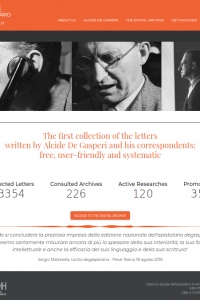
With the aim of constructing an archive of letters written by a journalist/politician thorough his entire life, Alcide De Gasperi, the first prime minister of…

Andreas Fickers, DTU-DHH project leader, and Tim van der Heijden, DTU- DHH Post-Doc researcher, recently published their co-written article entitled “Inside the Trading Zone: Thinkering…

Update: We are happy to finally be able to catch up with Dr Tonelli's talk online that was originally scheduled for March 2020 to take…
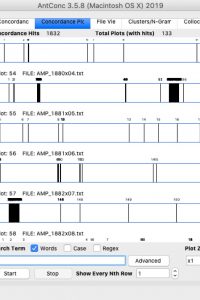
Do historians use digital tools in the same way? This question will be central in this blog. As historians of medicine, working with digitised medical…
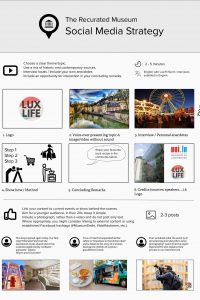
While we were teaching The Recurated Museum, a course on museums as digital spaces, the COVID-19 pandemic forced us to practice what we preach and…
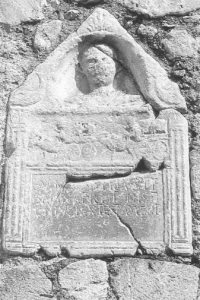
Archives and edited sources have traditionally represented crucial resources for historians. In the digital age, their function has been partly taken over by online databases.…